Cultural travel experiences have become a significant trend in the tourism industry, reflecting a global shift towards more meaningful and immersive travel. As more people seek authentic interactions and deeper connections with the places they visit, cultural tourism has emerged as a powerful force reshaping the way we explore the world. In this introduction, we will delve into the growing popularity of cultural tourism, explore its impact on travel, and emphasize the importance of engaging with local traditions and heritage.
In recent years, there has been a marked increase in the number of travelers prioritizing cultural experiences over traditional sightseeing. The modern traveler desires more than just visiting landmarks; they want to understand the soul of a destination through its history, art, and most importantly, its people. This demand has created a unique space in the tourism industry, where cultural tourism now plays a pivotal role.
The impact of this trend on travel is multifaceted. On one hand, it has broadened the horizons of what is considered a tourist attraction, elevating lesser-known sites and traditions to the global stage. On the other hand, it challenges travelers to move beyond the superficial and engage with communities in a more meaningful way. This kind of travel fosters empathy, breaks down cultural barriers, and promotes global understanding.
Engaging with local traditions and heritage is not only enriching for the traveler but also beneficial for the host community. It empowers local artisans, preserves cultural practices, and provides economic support to areas that may not benefit from mass tourism. For travelers, it offers an unparalleled opportunity to learn, grow, and transform their perspectives. By participating in traditional ceremonies, tasting authentic cuisine, or simply conversing with locals, travelers can gain insights that textbooks and guided tours cannot provide.
The importance of immersing oneself in local traditions and heritage cannot be overstated. It makes the travel experience more fulfilling and supports sustainable tourism practices. Travelers who appreciate cultural nuances are more likely to respect the environment and traditions of the destinations they visit, contributing to the preservation of these cultural assets for future generations. From the ancient rituals of Japan to the vivid festivals of Mexico, and the traditional crafts of Morocco to the vibrant street art of Colombia, each location provides a unique tapestry of culture and history.
- Japan – A land where tradition meets innovation, offering a plethora of cultural experiences from historic temples to traditional tea ceremonies.
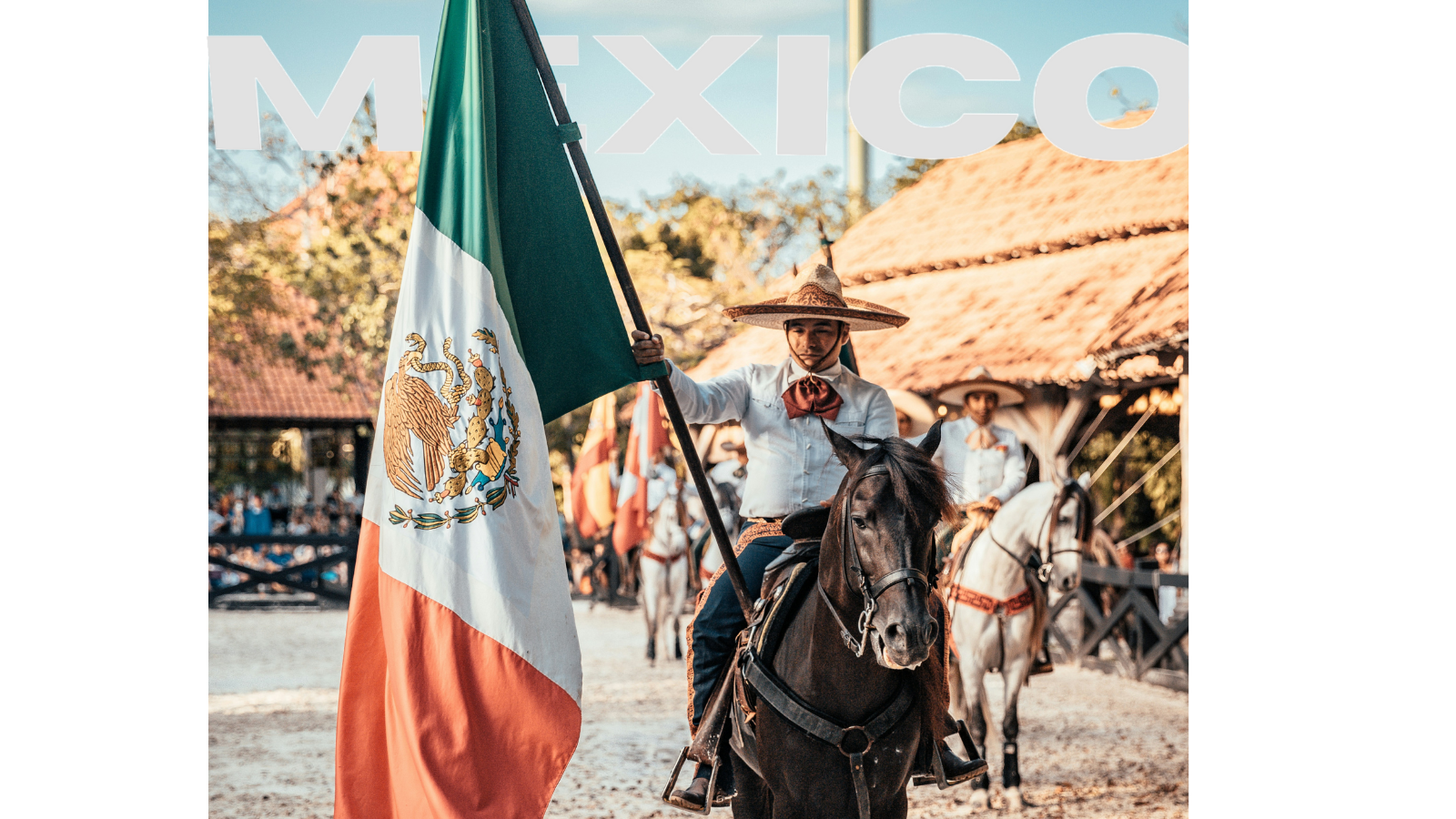
- Mexico – Known for its colorful festivals such as Día de los Muertos, offering travelers a chance to participate in deeply rooted cultural celebrations.
- Morocco – Renowned for its craftsmanship, from intricate tilework to handwoven textiles, where visitors can engage with artisans and learn traditional techniques.
- Colombia – Where art is alive on every street, particularly in cities like Bogotá and Medellín, famous for their vibrant murals and bustling cultural scenes.
Whether through art, festivals, or local gastronomy, cultural encounters serve as a bridge between the traveler and the local community, making each journey a story worth telling. Through this lens, cultural travel becomes more than just an itinerary; it is an invitation to explore the world with an open heart and a curious mind. It encourages travelers to see not only the beauty in the exotic but also in everyday life, recognizing the value in learning about and appreciating different ways of living. As we continue to navigate this globalized world, cultural tourism offers a path to deeper understanding and acceptance, one travel experience at a time.

Asia: The Mystical Essence of Cultural Richness
- Explore the Vibrant Festivals in India
India, the land of diverse cultures and traditions, is renowned for its vibrant festivals that captivate the hearts of both locals and tourists alike. Among these, Diwali and Holi hold a special place, offering a glimpse into the country’s rich tapestry of faiths and festivities.
- Diwali: The Festival of Lights
Diwali, also known as Deepavali, is a festival that symbolizes the victory of light over darkness and good over evil. Celebrated over five days, it usually falls between October and November. During Diwali, homes and streets across India are adorned with vibrant decorative lamps and rangoli, intricate patterns crafted from colored powders.
Families come together to exchange gifts, indulge in traditional sweets, and partake in devotional rituals to seek blessings for health and prosperity. Fireworks illuminate the night sky, creating a mesmerizing spectacle that can be witnessed across the country. Diwali is more than a festival; it’s an experience that immerses you into the heart of Indian culture and tradition.
- Holi: The Festival of Colors
Known as the Festival of Colors, Holi is celebrated with exuberance and joy across India. This festival marks the arrival of spring and signifies the triumph of good over evil. Taking place in March, Holi is a time when people of all ages engage in playful color-throwing battles and dance to traditional music.
The streets become a canvas of colors, with hues of red, green, and blue powder smeared on faces and clothes. It’s a time when social barriers break down, and communities come together, fostering a sense of unity and conviviality. To witness Holi in India is to witness an explosion of joy and color, adding a vibrant chapter to your cultural exploration of Asia.
- Diwali: The Festival of Lights
- Experience Traditional Tea Ceremonies in Japan
Japan, a country where tradition harmoniously coexists with modernity, offers a unique cultural immersion through its traditional tea ceremonies. This ancient practice is a testament to the Japanese values of simplicity, respect, and mindfulness.
The Japanese tea ceremony, known as “chanoyu” or “sado,” is more than just drinking tea; it’s a transformative experience that engages all the senses. Hosted in a carefully designed teahouse, the ceremony involves the ceremonial preparation and presentation of matcha, powdered green tea.
-
The ritual begins with the guests purifying their hands and mouths at an outdoor basin, symbolizing the cleansing of the mind and spirit. As you enter the serene tea room, you’ll notice the simplicity in its design. The host, often dressed in a traditional kimono, skillfully prepares the tea using specific utensils and techniques passed down through generations.
-
Every movement is performed with elegance and precision, embodying the principles of harmony, respect, purity, and tranquility. Guests are encouraged to savor the tea with gratitude, appreciating its aroma, texture, and flavor. Participating in a tea ceremony in Japan allows you to witness an authentic cultural tradition, experiencing an intimate connection with Japanese history and philosophy.
-
- Engage with Local Communities in the Heart of Thailand’s Floating Markets
Thailand, known for its bustling cities and serene beaches, also offers a one-of-a-kind cultural experience through its floating markets. These markets, vibrant with colors and aromas, provide a glimpse into the daily life of local communities, offering a unique perspective on Thai culture and commerce.
- Damnoen Saduak Floating Market
Located in the Ratchaburi Province, Damnoen Saduak is one of the most famous floating markets in Thailand. Here, you can witness traders skillfully navigating canals in their wooden boats, selling an array of goods ranging from fresh produce to vibrant handicrafts.
An early morning visit offers an authentic experience as the market comes to life with the sounds of bustling commerce and local chatter. As you glide through the narrow waterways, the vivid array of fruits, vegetables, and spices creates a feast for the senses.
- Amphawa Floating Market
Nestled in a quaint riverside village, Amphawa offers a more relaxed alternative to its bustling counterpart. The market, which springs to life on weekends, features an array of food stalls serving delicious Thai delicacies, from grilled seafood to decadent desserts.
Engaging with the local vendors and sampling the culinary delights provides an enriching experience that connects you to the heart of Thai culture. As you meander through the vibrant market, you grasp the essence of community and tradition thriving in this enchanting environment.
- Damnoen Saduak Floating Market
Exploring the mystical cultural richness of Asia through India’s spirited festivals, Japan’s serene tea ceremonies, and Thailand’s vibrant floating markets not only offers a meaningful travel experience but also enriches your understanding of the diverse heritage and captivating traditions that define this remarkable continent.

Europe: A Tapestry of History and Art
Europe, a continent steeped in history and brimming with art, offers a captivating journey through diverse cultures and enchanting landscapes. Among the vibrant tapestry of historical and artistic experiences it offers, three destinations stand out: the artistic heritage of Florence and Venice in Italy, the rich folk traditions and timeless castles of the Scottish Highlands, and the passionate Flamenco shows and festivals of Spain. Dive into each of these remarkable corners of Europe and let their stories unfold.
Wander Through Italy’s Artistic Heritage in Florence and Venice
Italy, a country synonymous with art and culture, is home to two of the most iconic cities in the world of art: Florence and Venice. Each city boasts a rich history and an unparalleled collection of masterpieces that continue to inspire millions.
- Florence: The Cradle of the Renaissance
Florence is a living museum, celebrating the era of the Renaissance. Walking through its cobblestoned streets, you encounter art at nearly every turn. Must-visit landmarks include:
- The Uffizi Gallery, housing iconic works by Botticelli, Michelangelo, and Leonardo da Vinci.
- The Cathedral of Santa Maria del Fiore or the Duomo, a marvel of architectural brilliance crowned by Brunelleschi’s dome.
- The Accademia Gallery, home to Michelangelo’s David, a masterpiece of Renaissance sculpture.
Florence’s art scene is not just confined to its galleries and churches; the entire city feels like an open-air museum were history and contemporary life blend seamlessly.
- Venice: Art Amidst Canals
Venice, with its enchanting canals and romantic aura, is another Italian city where art thrives. Noteworthy Venetian art experiences include:
- The Peggy Guggenheim Collection, featuring modern art collections in the former home of the American heiress turned art collector.
- The St. Mark’s Basilica, an emblem of Byzantine opulence, known for its stunning mosaics.
- The Doge’s Palace, a masterwork of Gothic architecture with its own hallowed halls lined with art.
Venice’s charm extends beyond its galleries and architecture, capturing imagination with every gondola ride through its picturesque waterways.
Discover the Rich Folk Traditions and Castles of the Scottish Highlands
The Scottish Highlands, a land of folklore, castles, and rugged landscapes, beckon those with a spirit of adventure and a passion for history.
- Cultural Traditions
The Highlands are renowned for their vibrant traditions, many of which have been preserved for centuries:
- Highland Games: Participate in or watch athletic challenges, music, and dance that reflect Scottish heritage, held in towns across the Highlands.
- Ceilidhs: These lively social gatherings feature traditional folk music and dance, offering a taste of Scottish communal celebrations.
- Enchanting Castles
The Highlands are dotted with castles, each with its own unique story, from fortifications to noble residences:
- Eilean Donan Castle: Nestled on an island where three lochs meet, this iconic castle is a symbol of Scottish identity.
- Urquhart Castle: Overlooking the mysterious Loch Ness, the ruins of this castle offer both history and stunning scenery.
- Inverness Castle: Overlooking the River Ness, this structure’s history dates back centuries, and it tells tales of historic battles and sieges.
The Scottish Highlands are a living testament to a rich past, where tales of clans and legends breathe life into their modern-day landscape.
Participate in Spain’s Flamenco Shows and Festivals
Spain captivates visitors with its vibrant culture, and flamenco is perhaps its most passionate expression. Steeped in history, this art form combines dance, music, and singing, creating an experience rich in emotion.
- The Heartbeat of Flamenco
Seville, the birthplace of flamenco, offers the most authentic experiences of this dynamic art form:
- Tablaos: These intimate venues are perfect for getting up close with flamenco performances, where the intensity of emotion and skill is palpable.
- Flamenco Festivals: Joining a festival such as the Bienal de Flamenco in Seville means immersing yourself in the full cultural spectrum of flamenco.
- Flamenco Schools: Aside from watching, many visitors choose to take lessons in dance or guitar, learning the nuances of this passionate art.
- Festivals and Celebrations
Beyond flamenco, Spain’s calendar is bustling with colorful festivals reflecting its diverse traditions:
- Feria de Abril: Seville’s April Fair is a spectacle of music, dance, and traditional costumes, celebrating Andalusian culture.
- San Fermín: Known for the running of the bulls in Pamplona, this festival captures the thrill and excitement that defines Spanish culture.
Spain’s festivals are not just events; they are a reflection of the nation’s soul, alive with creativity and joy.
Each segment of Europe offers its own story, etched in art, architecture, and tradition. Whether strolling through an Italian gallery, standing atop a Scottish castle, or stamping your feet to Spanish rhythms, Europe’s heritage is a living, breathing tapestry waiting to be discovered.
4. Africa: Deep
When considering a trip to Africa, its deep-rooted heritage and rich tapestry of traditions offer an unparalleled cultural experience. Within this expansive continent lies a trove of vibrant customs, music, and cuisines. Three distinct destinations provide a window into Africa’s cultural heart: the Maasai Mara in Kenya, the colorful souks and culinary tapestry of Morocco, and the spirited music and dance festivities of South Africa. Each promises a unique, unforgettable journey.
Witness the Maasai Mara Cultural Tours in Kenya
The Maasai Mara, a renowned national reserve in Kenya, is synonymous with stunning savannah landscapes and remarkable wildlife. Yet, beyond its natural allure, the Maasai Mara offers profound cultural experiences. The Maasai people, known for their rich traditions and colorful attire, offer cultural tours that allow tourists to delve into their way of life.
- Engage with the Community: Visit Maasai villages and engage with the community to learn about their nomadic lifestyle, social structures, and rituals.
- Traditional Craftsmanship: Watch Maasai women craft beadwork, which is not just an artistic endeavor but also a cultural symbol representing identity and status.
- Participate in Rituals: Experience traditional dances and ceremonies that are central to Maasai culture, providing insights into their spiritual beliefs and life passages.
These tours are not only an opportunity to appreciate the Maasai’s enduring heritage but also to support community projects that sustain and promote their culture.
Experience the Colorful Diversity of Moroccan Souks and Cuisines
Morocco, at the crossroads of Europe and Africa, boasts a cultural mosaic that is reflected in its bustling souks and delectable cuisines. The souks, or markets, are a symphony of colors, sounds, and scents, offering an immersive cultural experience.
- Visit Fez and Marrakech Souks: These energetic markets are a sensory feast where you can find everything from textiles and spices to ornate jewelry and handcrafted goods.
- Culinary Journey: Indulge in Morocco’s diverse culinary scene, sampling dishes such as tagine, couscous, and harira. These dishes are a blend of Berber, Arab, and Mediterranean influences.
- Participate in Cooking Classes: Enhance your culinary adventure by joining a cooking class to learn the secrets of traditional Moroccan recipes.
The fusion of cultures in Moroccan souks and cuisines reflects the country’s historical position as a convergence point for different civilizations.
Attend Traditional Music and Dance Festivities in South Africa
South Africa’s vibrant culture is vividly expressed through its traditional music and dance festivities. These celebrations provide an authentic insight into the country’s diverse cultural landscape.
- Experience Zulu Dancing: The energetic and rhythmic Zulu dance is integral to South African celebrations, known for its syncopated movements and melodic chanting.
- Attend Heritage Day Events: Celebrated on September 24th, Heritage Day is a nationwide festival where diverse cultures come together to showcase their traditions through music, dance, and attire.
- Jazz and Marabi Festivals: South Africa’s contemporary music scene, deeply rooted in traditional beats, comes alive in vibrant jazz and marabi festivals. These events are a blend of African rhythms and global musical influences.
Attending these festivities provides a deeper understanding of how traditional and modern elements intertwine in South African culture, shaping its dynamic national identity.
Embracing Africa’s cultural depth, from the Maasai’s timeless traditions, through the kaleidoscopic Moroccan souks, to the rhythm of South African beats, enriches the travel experience. Each destination beckons with unique traditions, ready to captivate the hearts and minds of those who seek a deeper connection to the continent’s heritage.
To stay connected while traveling, eSIMs provide a hassle-free solution with global coverage, affordable rates, and instant activation. Whether you’re a digital nomad or a casual traveler, switching to an eSIM can save you time and money. Check out the best eSIM plans on GePanda.com today!