#ez-toc-container {
background: #f9f9f9;
border: 1px solid #aaa;
border-radius: 4px;
-webkit-box-shadow: 0 1px 1px rgba(0, 0, 0, .05);
box-shadow: 0 1px 1px rgba(0, 0, 0, .05);
display: table;
margin-bottom: 1em;
padding: 10px 20px 10px 10px;
position: relative;
width: auto;
}
.ez-toc-container-direction {
direction: ltr;
}
.ez-toc-list-level-1 a{
font-weight:bold;
}
Table of Contents
1. Introduction to Street Art and Graffiti
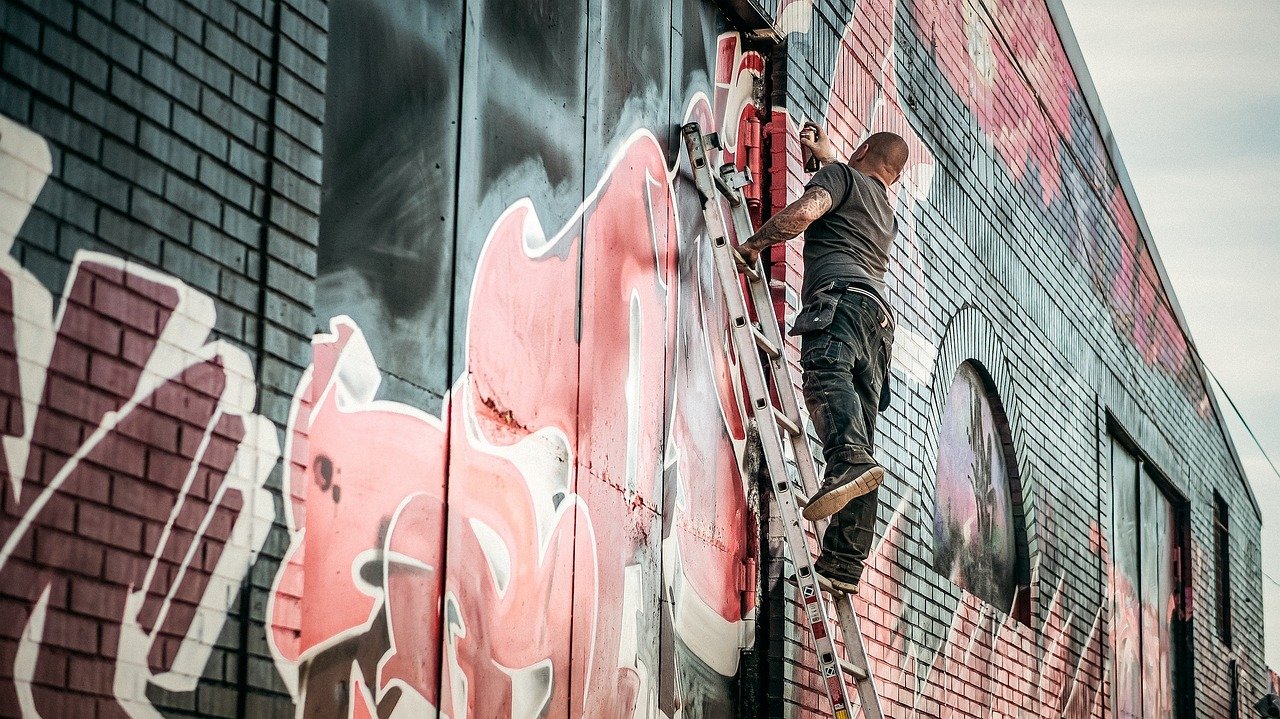
Street art and graffiti have evolved from subversive acts of rebellion into celebrated forms of public expression and cultural commentary. As vibrant layers to the urban landscape, they captivate the imagination and stimulate dialogue, making street art a focal point for artists, enthusiasts, and travelers alike.
In this segment, we explore the intricate world of street art and graffiti, delving into their impact on urban aesthetics and culture. We will also discuss why exploring street art is an essential experience for art enthusiasts and travelers. Join us on this colorful journey through the streets and back alleys where art breathes life into concrete jungles.
Overview of Street Art as a Cultural Phenomenon
Street art has emerged as a powerful cultural phenomenon, transcending its humble beginnings in graffiti. It acts as both a mirror and an influencer of society, reflecting the thoughts and sentiments of communities around the globe. Artists employ a variety of methods ranging from traditional spray paint to stencils, stickers, and murals to transform public spaces into galleries. Here’s how street art has become a vital part of the cultural fabric:
- Democratization of Art: Street art removes the barriers to art appreciation, inviting people from all walks of life to engage with it outside the confines of galleries and museums.
- Expression of Identity: It provides a canvas for marginalized voices and underrepresented communities, allowing them to express their identities and tell their stories.
- Commentary and Protest: Often political, street art challenges the status quo, offering a platform for social commentary and protest.
- Collaboration and Community: Collaborative pieces foster a sense of community and shared ownership of public spaces.
The Impact of Graffiti on Urban Aesthetics and Culture
Graffiti, often considered the precursor to formal street art, plays a pivotal role in shaping urban aesthetics. Its impact is profound, infusing cities with energy and character while driving cultural conversations.
Here are some key impacts of graffiti on urban settings:
- Aesthetic Transformation: Graffiti turns neglected urban spaces into visually compelling landmarks, altering the aesthetic perception of locales once deemed unattractive or unsafe.
- Cultural Vibrancy: By adding layers of historical and cultural context, graffiti transforms cities into living museums, capturing the pulse and diversity of modern cultures.
- Tourism and Economy: Regions renowned for graffiti, like Berlin and New York, attract tourists eager to experience the vibrant street culture firsthand, fueling local economies in the process.
- Influence on Fine Arts: The distinctive styles and bold statements inherent in graffiti have permeated mainstream art, influencing contemporary artists worldwide.
Why Exploring Street Art is a Must for Art Enthusiasts and Travelers
Embarking on a street art journey offers unique insights into the local culture, history, and socio-political climate of a place, making it an essential part of travel and art exploration. Here’s why every art enthusiast and traveler should delve into street art:
- Authentic Cultural Experience: Street art provides an unfiltered reflection of local narratives, offering travelers a deeper, more authentic cultural experience.
- Discover Hidden Gems: Exploring street art often leads to uncovering hidden spots and lesser-known areas that are off the usual tourist tracks, enriching the travel experience.
- Ever-changing Canvas: Unlike static exhibits, street art is dynamic and ever-changing, offering something new to discover with each visit, making it an enduring fascination for art lovers.
- Connecting with the Community: Street art tours and events enable direct engagement with local artists and communities, fostering connections that transcend geographical boundaries.
Street art beckons with the promise of discovery and dialogue, a colorful invitation to engage with the world in an open-air gallery. As you wander the urban streets and alleys, let the art speak to you, revealing the stories, struggles, and triumphs of the communities that produce these vibrant works.

2. New York City: The Urban Canvas
New York City is undeniably a vibrant tapestry of culture, expression, and innovation, with street art acting as one of its most compelling facets. The metropolis is often described as an urban canvas, with areas such as Brooklyn, Bushwick, and the Bronx leading the charge in showcasing iconic graffiti hotspots. This segment will delve into the essential stops for street art aficionados, highlight contributions from famous artists, and offer tips for memorable street art tours.
Iconic Graffiti Hotspots in NYC
- Brooklyn
- Bushwick
- The Bronx
Brooklyn has long been revered as the epicenter of creativity within NYC, largely thanks to its dynamic street art. The Williamsburg neighborhood, in particular, is a hive of murals and contemporary graffiti art that displays both bold artistic techniques and thought-provoking themes.
Arguably the capital of street art in New York City, Bushwick is an area where both aspiring and established artists showcase their work. The Bushwick Collective is a renowned street art project that has transformed the neighborhood into a sprawling gallery of extraordinary murals.
The Bronx is historically significant in the narrative of street art, with roots that trace back to the birth of hip-hop. While South Bronx has been at the forefront, neighborhoods like Hunts Point and Longwood are pivotal areas that reflect the raw, immersive energy of graffiti culture.
Famous Artists and Their Contributions to NYC’s Street Art Scene
- Jean-Michel Basquiat
- Keith Haring
- Banksy
- Lady Pink
Before ascending to art world fame, Basquiat was known for his graffiti under the pseudonym SAMO. His work often critiqued power structures and class systems, leaving a lasting impression on NYC’s street art culture.
A bright star in the street art galaxy, Keith Haring is celebrated for his iconic pop art style and social activism. His work frequently addressed issues of LGBTQ rights and offered commentary on AIDS awareness.
While originating from the UK, Banksy’s influence on the NYC street art scene has been indelible. His surprise murals often serve as both visual spectacles and social commentaries, drawing attention to political and social issues.
Indisputably one of the leading ladies of graffiti, Lady Pink’s style blends elements of feminism while rebelling against male-dominated narratives within urban art culture.
Tips for Street Art Tours and Notable Murals to Visit
- Plan Your Route
- Take a Guided Tour
- Respect the Art and Space
- Photograph Respectfully
NYC’s spread of street art can be overwhelming, so it’s best to map out key hotspots beforehand. Focus on areas well-known for large concentrations of street art, such as the Bushwick Collective in Brooklyn.
Experienced guides offer invaluable insights into the stories behind each mural, and the dynamic history of NYC’s street art scene. Consider tours from Free Tours by Foot or Wall Street Walks for both comprehensive and engaging experiences.
While enjoying the art, it’s crucial to remember that these murals are often on private property. Be mindful not to touch the artworks or obstruct locals’ daily activities.
Photography is encouraged, but it’s essential to credit artists if images are shared on social media. Pay attention to signage or tour guides regarding any restrictions.
- Notable Murals to Visit
- “The Bushwick Collective Mural” Wall – Bushwick
- “Crack is Wack” – Harlem
- “I Love NY” Mural by Nick Walker – Lower East Side
An evolving canvas, the Bushwick Collective showcases works from international artists, making it a quintessential visit for any street art enthusiast.
Keith Haring’s iconic mural that has become a vital part of NYC’s artistic heritage, addressing the cocaine epidemic of the 1980s.
A beautiful homage to the city, this mural encapsulates the emotions and vibrancy NYC inspires in those who visit.
New York City’s street art scene is as vast and varied as the city itself. From the expansive walls of Brooklyn to the culturally-rich narratives portrayed in the Bronx, these artistic expressions offer a unique way to experience the vibrancy of urban life. Whether you are a casual observer or a dedicated connoisseur, NYC’s urban canvas is an invitation to explore creativity at its finest.

3. Berlin: A City of Creative Expression
Berlin, a city that has long been a center of rich historical and cultural significance, has firmly established itself as a hub for creative expression. Its landscape is a tapestry where old and new clash and merge, forming an enthralling urban environment. Central to Berlin’s allure is the enduring legacy of the Berlin Wall, which has transformed from a symbol of division to an emblem of artistic expression. This transformation has been pivotal in shaping Berlin into an art destination.
Nowhere is this artistic spirit more vibrant and tangible than in Berlin’s thriving street art scene. The walls of this city tell stories through vibrant murals and graffiti, and two neighborhoods — Kreuzberg and Friedrichshain — stand out as key territories for street art exploration.
- The Legacy of the Berlin Wall and Its Transformation into an Art Destination
Originally constructed in 1961, the Berlin Wall stood as a formidable icon of separation, dividing East and West Berlin until its fall in 1989. In the years following reunification, artists from around the world descended upon the remnants of the Wall, transforming its stark surface into a canvas of creativity. This evolution marked the beginning of the Wall’s metamorphosis from a boundary of oppression into a global symbol of freedom and artistic expression.
Today, the East Side Gallery stands as the longest remaining section of the Berlin Wall, stretching over 1.3 kilometers. It is lauded as one of the largest open-air galleries in the world. Here, more than 100 artists have adorned the Wall with poignant, colorful murals that draw visitors from every corner of the globe.
- Key Neighborhoods for Street Art Exploration: Kreuzberg and Friedrichshain
The neighborhoods of Kreuzberg and Friedrichshain are indispensable for street art enthusiasts looking to delve deeper into Berlin’s urban artistic fabric.
- Kreuzberg
Kreuzberg is often described as the bohemian heart of Berlin, renowned for its eclectic vibe, multiculturalism, and vibrant art scene. The streets here teem with bold colors and intricate designs. Murals cover entire buildings, each conveying stories of social change, political discourse, and cultural commentary. Renowned pieces include the sprawling “Astronaut/Cosmonaut” mural by Victor Ash and the thought-provoking works along Skalitzer Strasse.
- Friedrichshain
Adjacent to Kreuzberg, Friedrichshain complements its neighbor’s offerings with its own unique street art character. Packed with alternative clubs and bustling markets, Friedrichshain’s attractions include the aforementioned East Side Gallery. Additionally, the RAW-Gelände, a former train repair facility, offers a grunge-infused setting where graffiti and street art cover every surface, making it a must-see for visitors.
- Kreuzberg
- Annual Street Art Festivals and Galleries Dedicated to Graffiti Art
Berlin’s reputation as a wellspring of creativity is celebrated through a slew of annual festivals and dedicated exhibition spaces that highlight street art and graffiti culture.
- Berlin Mural Fest
Taking place every year, the Berlin Mural Fest invites international and local artists to create murals on previously blank urban canvases across the city. This event underscores the ever-evolving nature of street art and its ability to continuously reshape the city’s aesthetic allure.
- Urban Spree
Urban Spree is more than a gallery; it’s an art space that focuses on promoting the versatility and depth of street art. Located in the heart of Friedrichshain, this gallery hosts exhibitions, concerts, and workshops aimed at fostering a deeper appreciation for graffiti and its impact on urban culture.
- Stroke Art Fair
Recognized as one of the leading platforms in Europe for urban art, the Stroke Art Fair is held annually in Berlin. The art fair provides a showcase for contemporary works, connecting artists with an audience that ranges from avid collectors to curious tourists. It exemplifies the dynamic intersection between street art, fine art, and digital mediums.
- Berlin Mural Fest
Berlin’s transformation into an art destination is a testament to the enduring power of creative expression to shape and influence urban identity. Through meaningful interactions with its storied past, the city’s street art scene not only enriches its present landscape but also inspires countless visitors to explore, engage, and create. Whether you’re gazing upon the murals of the East Side Gallery or exploring the graffiti-laden streets of Kreuzberg and Friedrichshain, Berlin offers a unique, multilayered narrative — one written in paint, passion, and imagination.
4. São Paulo: The Vibrant Street Art Capital of South America
São Paulo, the bustling metropolis of Brazil, is not only renowned for its towering skyscrapers and cultural diversity but also for its vibrant street art scene. Often referred to as the street art capital of South America, São Paulo’s urban landscapes are adorned with murals and graffiti that narrate the city’s history, culture, and socio-political discourse. Two areas stand out for their significant contributions to street art: Vila Madalena and the iconic Beco do Batman. In this article, we will explore these notable areas, introduce some of the most prominent Brazilian street artists, and discuss how street art in São Paulo reflects social and political themes.
Notable Areas for Street Art: Vila Madalena and Beco do Batman
The dynamic neighborhood of Vila Madalena is a beloved hotspot for creatives and art enthusiasts alike. Known for its bohemian vibe and lively atmosphere, this area is a canvas for both emerging and established street artists. Walking through Vila Madalena is like touring an open-air gallery, with walls vibrantly painted with intricate murals and thought-provoking graffiti. It is a place where art is accessible to everyone and each piece tells a unique story.
Within Vila Madalena lies Beco do Batman, a renowned alley that has become synonymous with street art in São Paulo. The alley, named after a Batman figure painted in the 1980s, is a must-visit for anyone eager to experience the pinnacle of urban art expression. Beco do Batman hosts a rotating selection of artworks, constantly evolving as new artists contribute their creations. The vibrant colors and dynamic designs captivate visitors and draw art enthusiasts from around the globe.
- Beco do Batman is characterized by its ever-changing art pieces, making each visit a unique experience.
- Vila Madalena’s eclectic art scene extends beyond murals, with galleries and cultural centers contributing to its creative atmosphere.
- Both areas hold significant cultural importance as they preserve and celebrate Brazilian art and culture.
Prominent Brazilian Street Artists and Their Works
São Paulo has birthed numerous talented street artists whose works have gained both national and international acclaim. Here are some of the most prominent Brazilian street artists and a brief overview of their contributions:
- Os Gêmeos: This dynamic duo of twin brothers, Gustavo and Otavio Pandolfo, have captivated audiences with their distinctive style, characterized by tall, yellow-skinned characters and surreal landscapes. Their work often reflects Brazilian folklore and social issues, gaining recognition worldwide.
- Cranio: Known for his blue Indians characters, Cranio uses humor and satire to address critical topics such as consumerism, pollution, and indigenous rights. His murals are filled with vibrant colors and clever imagery that provoke thoughtful reflection.
- Eduardo Kobra: Famed for his colorful, photorealistic portraits, Kobra combines intricate detail with geometric patterns. His works often depict historical figures and aim to convey messages of peace and unity.
Each of these artists has made significant contributions to São Paulo’s street art landscape, adding depth and diversity to the city’s urban canvas.
How Street Art Reflects Social and Political Themes in São Paulo
Street art in São Paulo is a powerful medium for expressing social and political themes. With each mural and piece of graffiti, artists give voice to the experiences and struggles faced by many in Brazilian society. The vivid imagery and poignant messages bring awareness to various issues and foster a sense of community engagement and activism.
- Social Inequality: Many works highlight the stark contrasts between wealth and poverty in São Paulo. Artists call attention to issues of homelessness and economic disparity with evocative imagery.
- Racial Identity: Street art serves as a platform for exploring Brazilian racial identity and celebrating Afro-Brazilian culture. Murals often feature prominent black figures and scenes that honor African heritage and challenge racial stereotypes.
- Political Corruption: Political themes are prevalent in São Paulo’s street art, with many pieces critiquing government corruption and advocating for transparency and reform.
- Environmental Awareness: Artists frequently depict themes of environmental preservation, urging the public to take action against deforestation and pollution.
Through street art, São Paulo’s walls are transformed into a powerful narrative medium that not only entertains but also educates and inspires change. As visitors take in the colorful displays, they are also invited to engage in broader societal conversations.