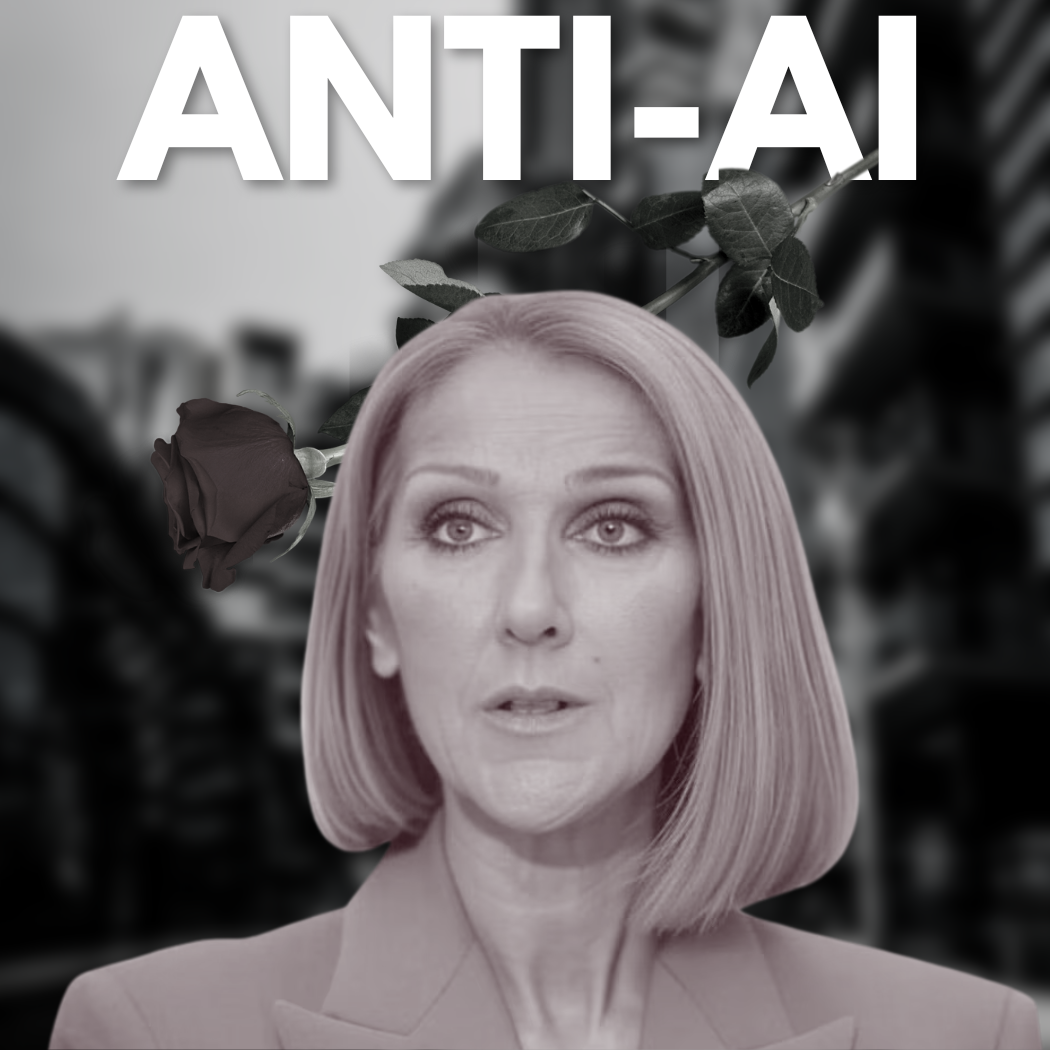
Artificial intelligence is rapidly transforming the music industry, but not always for the better. Céline Dion has publicly denounced the use of AI-generated music that mimics her voice without consent, making it clear that these unauthorized recordings are not part of her official work.
This controversy sheds light on the ethical and legal challenges of AI in music, raising important questions about intellectual property, consent, and artistic integrity. As AI becomes more advanced, the music industry must grapple with how to protect artists from unauthorized digital replication.
The Rise of AI-Generated Music: A Threat to Artistic Integrity
Artificial intelligence has made it possible to replicate voices, melodies, and even entire musical styles with incredible accuracy. While this technology opens new doors for creativity, it also poses a serious risk to artists’ control over their own voices and work.
Dion’s condemnation follows the release of AI-generated songs that imitate her voice, created without her knowledge or approval. Fans were quick to react, supporting Dion’s stance and emphasizing that these recordings should not be associated with her legacy.
Industry insiders are now calling for stricter regulations to prevent AI misuse, as unauthorized voice cloning becomes more common. (Billboard)
Key Issues Surrounding AI in Music
While AI-generated music has the potential to revolutionize the industry, it also raises serious ethical and legal concerns:
🎙️ AI Voice Replication
- AI can analyze and recreate an artist’s voice, producing new songs that sound eerily authentic.
- These voice clones can be used without permission, raising concerns about artistic identity theft.
⚠️ Lack of Consent
- Many AI-generated tracks are made without the artist’s approval, leading to unauthorized content flooding streaming platforms.
- Fans may not even realize they are listening to AI fakes rather than authentic performances.
💰 Intellectual Property & Legal Battles
- AI music blurs the line between original content and imitation, creating potential financial and copyright disputes.
- Without clear legal frameworks, artists risk losing control over their own sound and brand.
Dion’s statement underscores the urgent need for industry-wide action to protect musicians from the dangers of AI-generated impersonation. (CNBC)
The Impact on the Music Industry & Calls for Regulation
Céline Dion is not the first artist to speak out against AI-generated music. Several major musicians and record labels have raised similar concerns, calling for stronger copyright protections.
📜 Industry Response & Legal Push
- Music executives are advocating for new laws that make AI-generated impersonation illegal without consent.
- Streaming platforms are being pressured to detect and remove AI-generated songs that violate intellectual property rights.
- AI companies are facing demands to build ethical safeguards that prevent unauthorized use of an artist’s voice.
The legal landscape is evolving, but without immediate action, AI music could disrupt the industry in unpredictable ways. (Music Business Worldwide)
What’s Next? Protecting Artists in the Age of AI
As AI technology advances, artists must take proactive steps to safeguard their voices and creative work:
🔍 AI Detection & Digital Watermarking
- Tools are being developed to identify AI-generated audio and distinguish real artists from AI imitations.
📜 Legal Contracts & Copyright Expansion
- Music labels and streaming services are rewriting contracts to include provisions for AI protection.
🚫 Ethical AI Guidelines
- Industry leaders are pushing for AI companies to establish ethical boundaries that respect artists’ rights.
Céline Dion’s strong stance on AI-generated music is just the beginning of a larger movement to protect artists from unauthorized digital exploitation.
Final Thoughts: The Future of AI in Music
AI presents both opportunities and challenges for the music industry. While it can inspire new creative possibilities, it must be used responsibly.
Céline Dion’s public stand against AI-generated voice cloning serves as a wake-up call for the industry. As technology continues to evolve, artists, legal experts, and tech companies must work together to ensure that AI enhances music rather than exploits it.
The conversation around AI and artists’ rights is just getting started—and its impact will shape the future of music for years to come.
FAQ: AI & The Music Industry
📌 Why did Céline Dion speak out against AI-generated music?
Dion condemned the use of AI-generated songs that imitate her voice without her permission, making it clear they are not part of her official work.
📌 How does AI affect musicians’ rights?
AI can replicate an artist’s voice and style, leading to unauthorized recordings, financial disputes, and loss of creative control.
📌 What is being done to stop unauthorized AI music?
Industry leaders are pushing for legal protections, AI detection tools, and stricter copyright enforcement to protect musicians.
Stay Ahead in the Digital World
AI is reshaping industries—including how we experience music and travel. Make sure you stay protected and connected in this evolving landscape!
🌍 Stay online anywhere with an eSIM from GePanda—no roaming fees, no hassle!
🔐 Protect your data with a VPN subscription—stay secure while streaming, traveling, and working remotely.
🛍️ Explore AI-powered tools & travel tech to enhance your digital lifestyle.
👉 Be part of the future—visit GePanda.com for all your tech needs!